 CricDest Focused on Sports
When it comes to your health, you want the best care possible—clear, safe, and reliable. Singapore hospitals offering regulated treatment pathways ensure you get exactly that.
These pathways guide your treatment step-by-step, so nothing is left to chance. If you’re looking for a hospital that follows strict protocols to protect your well-being, understanding how these regulated pathways work can make all the difference. Keep reading to discover how these hospitals prioritize your safety and improve your recovery journey.
Top Hospitals In Singapore
Singapore offers excellent hospitals with regulated treatment pathways. These hospitals ensure safe, reliable care for patients. They follow strict guidelines to maintain high standards. Patients receive clear treatment plans and expert attention.
The top hospitals in Singapore include both public and private institutions. Each provides quality healthcare services suited to different needs. Understanding the options helps patients choose the best care.
Public Healthcare Institutions
Public hospitals in Singapore provide affordable and accessible care. They follow government regulations strictly. These hospitals have skilled doctors and modern facilities. Examples include Singapore General Hospital and Tan Tock Seng Hospital. They offer various specialist services and emergency care. Patients benefit from well-organized treatment pathways here.
Private Medical Centers
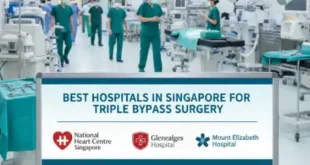
Private hospitals in Singapore focus on personalized care and comfort. They offer shorter waiting times and private rooms. Examples include Mount Elizabeth Hospital and Gleneagles Hospital. These centers also follow regulated treatment protocols. Patients receive detailed consultation and tailored treatment plans. Private hospitals often provide advanced technology and specialist doctors.
Regulated Treatment Pathways Explained
Regulated treatment pathways guide hospitals in Singapore to deliver consistent and safe medical care. These pathways outline clear steps for diagnosing and treating various health conditions. They ensure each patient receives care based on the latest medical standards.
Hospitals follow these pathways to reduce errors and improve treatment results. The process is designed to support doctors and nurses with proven methods. Patients benefit from a structured approach that focuses on quality and safety.
Standards And Protocols
Standards set clear rules for healthcare providers to follow. Protocols provide detailed instructions for each treatment step. Together, they create a reliable framework for medical care.
Hospitals in Singapore use these to maintain high care quality. They update protocols regularly to include new medical research. This approach helps in treating patients consistently across different hospitals.
Patient Safety Measures
Patient safety is the top priority in regulated treatment pathways. Hospitals use safety checks at every stage of care. These checks help prevent mistakes like wrong medication or procedures.
Staff training and patient monitoring are part of safety measures. Hospitals encourage patients to ask questions and report any concerns. This teamwork improves overall treatment safety and patient trust.
Specialized Care Services
Singapore hospitals provide specialized care services with clear treatment pathways. These services focus on specific health conditions and use expert knowledge and advanced technology. Patients receive precise diagnosis and effective treatments. The hospitals follow strict regulations to ensure safety and quality in every step of care.
Cardiology And Heart Care
Heart health is a priority in Singapore hospitals. They offer detailed tests to find heart problems early. Treatments include medication, surgeries, and rehabilitation programs. The hospitals use modern tools to monitor heart function. Specialists create personalized care plans for each patient.
Oncology Treatments
Cancer care is carefully planned and tailored. Hospitals provide chemotherapy, radiation, and surgery options. They use the latest technology for accurate treatment. Support services help patients cope with side effects. Experts work as a team to improve patient outcomes.
Orthopedic Procedures
Bone and joint issues receive focused attention. Hospitals offer treatments for fractures, arthritis, and sports injuries. Surgeries use minimally invasive techniques for faster recovery. Physical therapy is part of the healing process. Orthopedic specialists guide patients through every stage of care.
Benefits Of Choosing Regulated Pathways
Choosing regulated treatment pathways in Singapore hospitals offers clear advantages for patients. These pathways ensure that every step of care follows strict rules. Patients receive safe, reliable, and well-organized treatment. The benefits reach beyond medical care to trust and cost management.
Consistency In Treatment
Regulated pathways make treatment predictable and steady. Doctors follow approved guidelines for each condition. This means patients get the same high standard of care everywhere. No surprises. No random variations. This steadiness builds confidence in the care provided.
Enhanced Patient Outcomes
Following set pathways helps improve health results. Treatments are based on the latest research and best practices. Patients recover faster and face fewer complications. Care teams work closely to monitor progress. This focus on quality leads to better healing and wellbeing.
Cost Transparency
Regulated pathways clarify treatment costs upfront. Patients understand what fees to expect before care starts. This reduces hidden charges and surprises. Hospitals provide clear billing based on set protocols. Patients can plan their finances with less stress.
Accreditation And Quality Assurance
Singapore hospitals maintain high standards through strict accreditation and quality assurance. These processes ensure safe and effective treatment for patients. Hospitals follow clear rules and guidelines to provide regulated treatment pathways. This builds trust and confidence among patients and healthcare professionals alike.
Local Regulatory Bodies
The Ministry of Health (MOH) oversees healthcare quality in Singapore. It sets standards for hospitals and clinics. The MOH inspects facilities regularly to ensure compliance. The Health Sciences Authority (HSA) regulates medical devices and medicines. These bodies work together to maintain patient safety. They enforce laws that hospitals must follow at all times.
International Certifications
Many Singapore hospitals earn international certifications. These include Joint Commission International (JCI) accreditation. JCI checks hospital safety, patient care, and management systems. Another certification is from the Australian Council on Healthcare Standards (ACHS). These recognitions show hospitals meet global quality benchmarks. They help attract patients seeking world-class medical care.
Patient Experience And Support
Singapore hospitals focus strongly on patient experience and support. They aim to make every step clear and caring. Patients receive guidance and help from the start to the end of treatment. This approach helps patients feel safe and understood. It also improves recovery and satisfaction.
Pre-treatment Counseling
Hospitals offer pre-treatment counseling to prepare patients. Doctors explain the treatment process in simple terms. Patients learn about possible risks and benefits. This helps reduce fear and confusion. Patients can ask questions and share concerns. The counseling builds trust and confidence before treatment begins.
Post-treatment Care
After treatment, hospitals provide close follow-up and care. Nurses and doctors monitor patient progress carefully. They give advice on medicines and lifestyle changes. Support services like therapy or nutrition may be included. This care helps patients heal faster and avoid complications. Patients feel supported even after leaving the hospital.
Patient Feedback Mechanisms
Hospitals encourage patients to share their feedback. Surveys and suggestion boxes collect patient opinions. Staff review the feedback to improve services. Patients feel valued and heard. This process helps hospitals maintain high-quality care. It also shows commitment to continuous improvement.
Future Trends In Singapore Healthcare
The future of healthcare in Singapore is bright and full of promise. Hospitals are adopting new methods to improve patient care. These changes aim to make treatments safer and more effective. Patients can expect faster services and better health outcomes. Innovation plays a big role in shaping this future.
Regulated treatment pathways are evolving alongside technology and medicine. Singapore’s healthcare system focuses on precise and patient-centered care. These trends show the country’s commitment to high-quality health services.
Technology Integration
Hospitals in Singapore use advanced technology to improve care. Digital records help doctors access patient information quickly. Telemedicine allows patients to consult doctors from home. AI assists in diagnosing diseases with higher accuracy. Robots support surgeries by enhancing precision. These tools reduce waiting times and improve treatment quality.
Personalized Medicine
Treatment plans in Singapore are becoming more personalized. Doctors analyze genetic information to tailor medicines and therapies. This approach helps avoid side effects and increases success rates. Each patient receives care suited to their unique health needs. Personalized medicine makes treatments more effective and safer for everyone.
Frequently Asked Questions
What Are Regulated Treatment Pathways In Singapore Hospitals?
Regulated treatment pathways are standardized care protocols approved by healthcare authorities. They ensure consistent, safe, and effective patient treatment across Singapore hospitals.
Which Hospitals In Singapore Offer Regulated Treatment Pathways?
Major public and private hospitals in Singapore, like Singapore General Hospital and KK Women’s & Children’s Hospital, offer regulated treatment pathways for various medical conditions.
How Do Regulated Pathways Improve Patient Care In Singapore?
They enhance patient safety, reduce treatment errors, and promote evidence-based practices. This leads to better health outcomes and more efficient hospital services.
Are Regulated Treatment Pathways Customized For Individual Patients?
Yes, while following standard protocols, doctors tailor treatments based on each patient’s unique health needs and conditions for optimal results.
Conclusion
Singapore hospitals provide clear and safe treatment pathways. Patients receive care that follows strict rules and standards. This helps ensure better health results and trust. Choosing a hospital with regulated pathways means you get proper support. Medical teams work closely to guide you step-by-step.
This approach reduces confusion and speeds up recovery. Knowing what to expect brings peace of mind. Quality care is available for many health needs. Singapore’s hospitals continue to improve these pathways. Your health journey can be smoother and more confident here.